Showing posts with label musicality. Show all posts

Saturday, May 02, 2026

Isn't musicality more than rhythm?

Last month, we organized a follow-up to the 2014 Lorentz Workshop on Musicality in Leiden, The Netherlands. Twelve years later, it felt both exciting and meaningful to return to Leiden with a renewed focus: spectral percepts

While rhythm cognition has received substantial attention over the past decade, key perceptual dimensions of melodic cognition—especially timbre and pitch—remain comparatively underexplored. Many comparative studies still rely on simplified stimuli, such as pure tones, which may limit our understanding of how non-human animals perceive melodic structure. Recent findings suggest that pitch and timbre do not map uniformly across species, inviting us to rethink how these percepts are studied. 

We therefore deliberately shifted attention away from rhythm perception and production toward the perceptual and affective dimensions of melody, harmony, and timbre. In doing so, we revisited Darwin’s idea that animals may not only perceive melodies, but may also take pleasure in them (see workshop proposal). 

What made this workshop especially rewarding was the remarkable diversity of backgrounds and expertise in the room. Researchers from neurobiology, psychology, ethnomusicology, musicology, and evolutionary theory came together to examine the evolutionary and perceptual roles of pitch, timbre, and consonance. This breadth of perspectives allowed us to explore how these percepts vary across species, cultures, and contexts in ways no single discipline could address alone. 

By bringing together such a broad and inspiring group of researchers, the workshop generated new insights, strengthened interdisciplinary collaborations, and laid the groundwork for a more coherent framework on the evolution and cognition of musicality. 

A special issue is planned for Spring 2027, in which we will summarize the workshop’s findings, develop new research ideas, and outline a future agenda for musicality research. 

Photo credits: (cc) 2026 Bas Cornelissen and Lorentz Center.

Sunday, February 01, 2026

If musicality did not arise from language, where did it come from?

Recent interdisciplinary advances have transformed the study of the evolution of music. Rather than treating music as a cultural artifact, current research targets musicality — the biological capacity enabling humans to perceive, produce, and enjoy structured sound. Evidence from observations of infants, cross-cultural studies, and neuroscience shows that humans possess innate predispositions for rhythm, pitch, and temporal expectation that arise independently of training. Comparative studies have revealed that components of musicality have distinct evolutionary histories: primate research supports gradual development of rhythmic and audiomotor integration, while convergent traits in vocal-learning species highlight shared biological constraints. Neuropsychological and developmental findings have further shown that musicality is not reducible to language, drawing instead on perceptual, motor, and affective systems that likely predate speech. Collectively, these insights establish musicality as a fundamental cognitive capacity and provide a robust framework for investigating how its components evolved, how they function across species, and why music is central to human life.

But, if musicality did not arise from language, where did it come from? 

[Published in Current Biology as Honing (2026)]
 
Honing, H. (2026) The biology of musicality. Current Biology, 36(5), R177-R180;
Preprint DOI: 10.31234/osf.io/j8x4w_v6;
Drawing courtesy of Marianne de Heer Kloots 
(mdhk.net).

Saturday, January 03, 2026

No progress since Darwin and Spencer?

Darwin and Spencer.

Asif Ghazanfar and Gavin Steingo open their recent Commentary in Science, by asserting that –because no fossil or archaeological record of early music-making exists– modern musicality researchers “rely as much on conjecture as they did in Darwin and Spencer’s time.” 

This characterization is inaccurate. 

The evolution of musicality can be reconstructed using methods from comparative biology, genetics, and cross-cultural analyses, empirical domains that were unavailable to Darwin and Spencer. 

Over the past twenty years, musicality research has shown that virtually all humans have a natural capacity for music (1, 2), comparable to our innate capacity for language. Examples include beat processing in human newborns (3), species-specific precursors of both rhythmic and pitch processing (4, 5), and showing cross-cultural ‘universals’ in the structural aspects of human music (6–8), suggesting a biological basis. Additionally, recent neuroscientific findings indicate that humans process speech and music through distinct — and possibly independently evolved — neural pathways (9). Together, these findings constitute a robust empirical foundation rather than conjecture and have substantially reshaped our understanding of musicality. 

While trained tapping in macaques (10)—as discussed in Ghazanfar and Steingo’s Perspective—addresses only one subcomponent of musicality, it nonetheless offers a valuable window into its evolution, particularly within the framework of the Gradual Audiomotor Evolution (GAE) hypothesis (11). This hypothesis proposes that beat perception and synchronization emerged through incremental increases in the connection between cortical and subcortical motor planning regions. Probing beat perception and isochrony perception in animals is still in its infancy, but it appears, at least within the primate lineage, that beat perception has evolved gradually, peaking in humans and present only with some limitations in chimpanzees and other non-human primates (12, 13)

Lastly, the relevant object of inquiry here is not music per se, but musicality. For this reason, Ghazanfar and Steingo’s analogy comparing the study of music evolution to ‘human bike evolution’ is unhelpful. Riding a bike requires explicit training even in humans, whereas moving to a musical beat emerges spontaneously and effortlessly, often before the onset of language. This spontaneity is precisely what places beat perception so prominently within musicality research. In other primates, beat perception is not effortless but can be acquired through training, suggesting that for them it is analogous to bike riding in humans. As the authors note, studying trained abilities can nevertheless reveal the basic processes underlying those abilities. More generally, both spontaneous and trained behaviors in animals offer complementary insights into their evolutionary capacities: humans spontaneously acquire speech but can be trained to imitate bird calls, indicating a specialized drive for conspecific communication alongside a broader capacity for vocal imitation. Similarly, non-human primates possess timing and pattern-detection abilities that may form the evolutionary substrate from which human beat induction emerged. Overall, comparative research across cultures and across species provides a powerful framework for uncovering the biological foundations and evolutionary history of musicality. 

As a result, investigating the origins of musicality has become increasingly feasible. What was once a largely speculative corner of musicology has developed into a rapidly advancing interdisciplinary field, rich with compelling new research questions.  

Published as eLetter in Science on December 9, 2025; Written by Henkjan Honing - University of Amsterdam, NL; W. Tecumseh Fitch - University of Vienna, AT; Marisa Hoeschele - Austrian Academy of Sciences, AT; Hugo Merchant - Universidad Nacional Autónoma de México, MXA preprint is available at OSF.
 

References

  1. H. Honing, C. ten Cate, I. Peretz, S. E. Trehub, Without it no music: cognition, biology and evolution of musicality. Philosophical Transactions of the Royal Society of London B: Biological Sciences 370, 20140088 (2015).
  2. W. T. Fitch, Four principles of bio-musicology. Philos Trans R Soc Lond B Biol Sci 370, 197–202 (2015).
  3. I. Winkler, G. P. Háden, O. Ladinig, I. Sziller, H. Honing, Newborn infants detect the beat in music. Proc Natl Acad Sci U S A 106, 2468–71 (2009).
  4. C. ten Cate, H. Honing, “Precursors of music and language in animals” in The Oxford Handbook of Language and Music, D. Sammler, Ed. (Oxford University Press, Oxford, 2025; https://academic.oup.com/edited-volume/59773).
  5. M. Hoeschele, H. Merchant, Y. Kikuchi, Y. Hattori, C. ten Cate, Searching for the origins of musicality across species. Philosophical Transactions of the Royal Society B: Biological Sciences 370 (2015).
  6. J. H. McDermott, A. F. Schultz, E. A. Undurraga, R. A. Godoy, Indifference to dissonance in native Amazonians reveals cultural variation in music perception. Nature 25, 21–25 (2016).
  7. P. E. Savage, S. Brown, E. Sakai, T. E. Currie, Statistical universals reveal the structures and functions of human music. Proceedings of the National Academy of Sciences 112, 8987–8992 (2015).
  8. N. Jacoby, E. H. Margulis, M. Clayton, E. Hannon, H. Honing, J. Iversen, T. R. Klein, S. A. Mehr, L. Pearson, I. Peretz, M. Perlman, R. Polak, A. Ravignani, P. E. Savage, G. Steingo, C. J. Stevens, L. Trainor, S. Trehub, M. Veal, M. Wald-Fuhrmann, Cross-cultural work in music cognition: Challenges, insights and recommendations. Music Percept 37, 185–195 (2020).
  9. P. Albouy, L. Benjamin, B. Morillon, R. J. Zatorre, Distinct sensitivity to spectrotemporal modulation supports brain asymmetry for speech and melody. Science (1979) 367, 1043–1047 (2020).
  10. V. G. Rajendran, L. Prado, J. Pablo Marquez, H. Merchant, Monkeys have rhythm. Science (1979) 390, 940–944 (2025).
  11. H. Merchant, H. Honing, Are non-human primates capable of rhythmic entrainment? Evidence for the gradual audiomotor evolution hypothesis. Front Neurosci 7, 1–8 (2014).
  12. H. Honing, F. L. Bouwer, L. Prado, H. Merchant, Rhesus monkeys (Macaca mulatta) sense isochrony in rhythm, but not the beat. Front Neurosci 12 (2018).
  13. Y. Hattori, M. Tomonaga, Rhythmic swaying induced by sound in chimpanzees (Pan troglodytes). Proc Natl Acad Sci U S A 117, 936–942 (2019).


Monday, November 24, 2025

Musical Animals: Are we? Can there be?

On November 20, 2025, the Royal Palace Amsterdam hosted the symposium “Music and Mind, Music as Medicine,” part of the ongoing series organized by the Amsterdam Royal Palace Foundation. The event brought together leading voices reflecting on how music shapes thought, health, and human experience.

I had the honour to present the opening keynote, “Musical Animals: Are We? Can There Be?”, about musicality as a natural, biological capacity. I explored the question of whether humans are truly unique in perceiving rhythm and melody—or whether other species share aspects of what we call “music.”

You can listen to the keynote here: Download audio file [or go to Royal Palace website].

Prof. Em. Daniel J. Levitin followed with insights from neuroscience and psychology, connecting music to memory, emotion, and healing. His perspective added valuable depth to the symposium’s theme of music as medicine.

The day was further enriched by a powerful performance from Dame Evelyn Glennie, whose artistry and reflections on listening brought the scientific discussions into vivid, lived experience.

Special thanks were due to Tania Kross and Prof. Ineke Sluiter, who co-chaired the symposium and guided the conversations with clarity and warmth.

Altogether, the event offered a meaningful window into how music—whether studied in labs, performed onstage, or felt in our bodies—continues to inspire new questions and connections.

All recordings can be found at the wesbite of the Royal Palace.

A draft article, with the same title, can be found here as preprint. 

Wednesday, August 27, 2025

What makes two melodies feel like the same song? [in 333 words]

(cf. Krumhansl, 1989).

One of the most intriguing questions in music cognition research is also one of the simplest: when are two melodies experienced as the same?

At first glance, the answer might seem obvious — they share the same notes, in the same order, with the same rhythm. But a closer look, across cultures and even across species, reveals a more complex picture. What our brains latch onto when recognizing a tune involves a web of spectral percepts — the fundamental features of sound that guide humans and other animals in interpreting auditory patterns. This may sound like a niche research topic, but it lies at the heart of debates about authorship, originality, and musical ownership.

Consider hearing a melody played in a different key or on an unfamiliar instrument. Most people can still recognize it. How is this possible? Explanations often point to intervallic structure — the sequence of pitch intervals between notes — the contour, which is the overall shape of a melody as it rises and falls, or timbre, often described as the “color” of sound, including brightness, texture, and loudness.

For decades, music research treated timbre as secondary — something layered over supposedly “meaningful” musical features like pitch and rhythm (cf. McAdams & Cunible, 1992). Increasing evidence now suggests timbre is not merely decorative but a core perceptual building block. Timbre may also support “relative listening,” the ability to track patterns of change across different features. Exploring it carefully could reveal flexible and universal aspects of music cognition previously underestimated.

Recognizing that humans and non-human animals may rely on different spectral cues is equally crucial for understanding music’s evolutionary roots. A melody meaningful to humans may not register as such for a zebra finch — and vice versa.

By broadening music cognition research to include timbre, spectral contour, and species-specific strategies, scientists hope to uncover the shared perceptual foundations of musicality. Such work moves us closer to answering a deceptively simple but deeply complex question: what truly makes two melodies feel like the same song?

N.B. These entries are part of a new series of explorations on the notion of Spectral Percepts (in 333 words each).

References

McAdams, S, & Cunible, J-C (1992). Perception of timbral analogies. Philosophical Transactions of the Royal Society B: Biological Sciences, 336, 383-389. 

Krumhansl, C. L. (1989). Why is musical timbre so hard to understand? In S. Nielzén & O. Olsson (Eds.), Structure and perception of electroacoustic sound and music (pp. 43– 53). Elsevier.

Wednesday, June 18, 2025

What do Bach, bipedalism and a baby crying have in common?

Human beings seem to have an innate sense of both rhythm and time, but how much is it biological and how much is it cultural? 

Feel free to join the  BètaBreak on June 20th between 12:00 and 13:30 at Science Park 904, Amsterdam, to explore the relationship between music and time in an interdisciplinary discussion with insights from biology, evolution, musicology and philosophy with speakers from the University of Amsterdam, the University of Liverpool and the University of Oslo! 

Wednesday, June 12, 2024

Why do humans sing? |ヒトはなぜ歌うのか

Below a trailer of a Japanese documentary on the origins of musicality, made by NHK, entitled Why do humans sing?  (ヒトはなぜ歌うのか ).

The one hour documentary presents cross-species and cross-cultural research on musicality, realized and filmed in Amsterdam, Inuyama, Boston and the rainforest of Central Africa.

For more information see NHK | Frontiers.

Thursday, April 04, 2024

A musical ape?

Music is universal in all human cultures, but why? What gives us the ability to hear sound as music? Are we the only musical species–or was Darwin right when he said every animal with a backbone should be able to perceive, if not enjoy music? 

This episode was written and produced by Ray Pang and Meredith Johnson. Sound design, mixing, and scoring by Ray Pang. The editor is Audrey Quinn. Theme music by Henry Nagle, additional music by Blue Dot Sessions and Lee Roservere. 

Listen to the podcast here.

Saturday, March 16, 2024

Interested in the origins of musicality?

Next week prof. Aniruddh D. Patel will visit the Netherlands to discuss his work on the origins and evolution of musicality, with a public talk at the MPI Colloquium Series in Nijmegen on Tuesday 19 March 2024 and a scientific (invitation-only) workshop on Friday 22 March 2024 in Amsterdam. 

N.B. The public talk can be viewed via MPI's live stream.

Sunday, December 10, 2023

Why did we decide to revisit and overhaul our earlier beat perception studies?

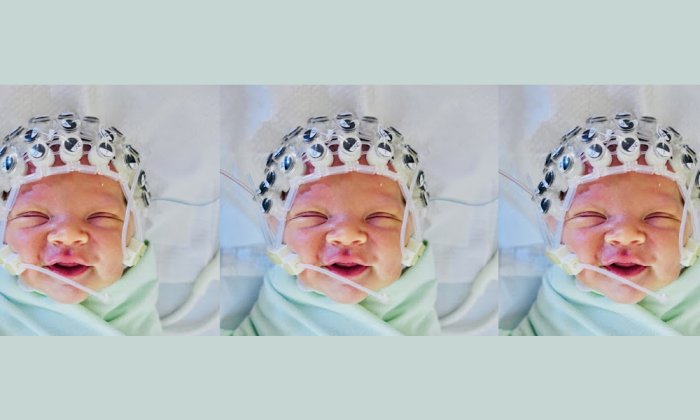
Newborn baby participating in listening experiment
(courtesy Eszter Rozgonyiné Lányi).

[Published in Scientific American and MIT Press Reader]

In 2009, we found that newborns possess the ability to discern a regular pulse – the beat – in music. It’s a skill that might seem trivial to most of us but that’s fundamental to the creation and appreciation of music. The discovery sparked a profound curiosity in me, leading to an exploration of the biological underpinnings of our innate capacity for music, commonly referred to as “musicality.”

In a nutshell, the experiment involved playing drum rhythms, occasionally omitting a beat, and observing the newborns’ responses. Astonishingly, these tiny participants displayed an anticipation of the missing beat, as their brains exhibited a distinct spike, signaling a violation of their expectations when a note was omitted. This discovery not only unveiled the musical prowess of newborns but also helped lay the foundation for a burgeoning field dedicated to studying the origins of musicality.

Yet, as with any discovery, skepticism emerged (as it should). Some colleagues challenged our interpretation of the results, suggesting alternate explanations rooted in the acoustic nature of the stimuli we employed. Others argued that the observed reactions were a result of statistical learning, questioning the validity of beat perception being a separate mechanism essential to our musical capacity. Infants actively engage in statistical learning as they acquire a new language, enabling them to grasp elements such as word order and common accent structures in their native language. Why would music perception be any different?

To address these challenges, in 2015, our group decided to revisit and overhaul our earlier beat perception study, expanding its scope, method and scale, and, once more, decided to include, next to newborns, adults (musicians and non-musicians) and macaque monkeys.

 [...] Continue reading in The MIT Press Reader.

Friday, February 24, 2023

What is your position on the possible origins of music/ality?

This blog-entry adds several new analyses and visualizations related to the topic of the origins of music/ality, as discussed in a recent issue of Behavioral and Brain Sciences (BBS; cf.  Mehr et al., 2021; Savage et al., 2021). 

N.B. An interactive app, linking to the two target articles, the 60 commentaries, as well as the commentaries' position in this debate, can be found on GitHub.

The analyses presented below are based on a questionnaire that was send to the 60 commentary writers in 2021. 

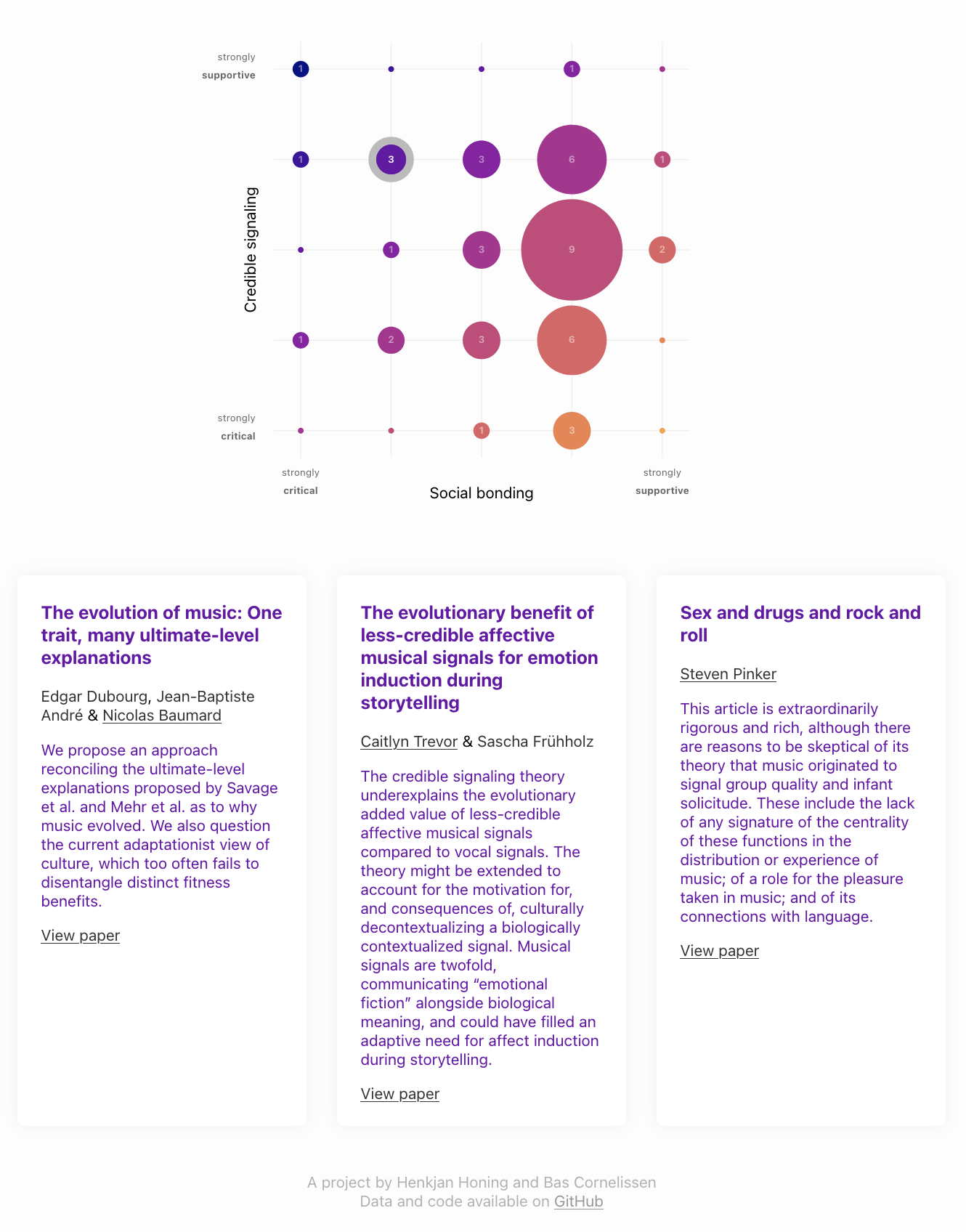
Fig. 1 shows the outcome of that questionnaire asking to rate one's own position w.r.t. the two target articles on a five point scale from Strongly Critical to Strongly Supportive (N.B. We received 49 responses):

Fig. 1a: Individual ratings from the BBS Commentary Authors (N=49). Numbers/size show the amount of votes. N.B. An interactive version, linking the individual ratings to the Commentaries, is shown below.

Fig. 1b: Individual ratings from the BBS Commentary Authors (N=49).
Numbers/size: amount of votes; Color: support for one or the other position.
N.B. Click on the figure to run the interactive version
, linking the individual ratings to the Commentaries. [Alternative figures, data, and source code at GitHub]

Fig. 2 below shows the rating provided by Savage et al. (2021), where two raters judged the positions of all commentaries on the same two dimensions (but on a continuous scale):

Fig. 2: Ratings from Savage et al. (2021: Figure R1).
[Source code and data at GitHub]

Furthermore, we also did some simple numerical comparisons between the data presented in Fig. 1 and 2. The main observations are:

  1. For the Social Bonding hypothesis there is an agreement* between ratings shown in Fig. 1 and those of Fig.2 of .62 (Rater 1/Authors) and .69 (Rater 2/Authors). As such, the raters did a relatively good job in estimating the authors positions. 
  2. For the Credible Signalling hypothesis the agreement* was .51 (Rater 1/Authors) and .56 (Rater 2/Authors), suggesting the raters did less well in estimating the authors positions.

*Intraclass Correlation Coefficient (ICC). Note that resolution of both ratings (Fig. 1 and 2) differ, which could affect the results.

Fig 3. shows the results on the question whether this two-dimensional representation was considered adequate by the commentary authors:

Fig. 3: In how far are the two dimensions sufficient to capture your position (N=49)? [Alternative figures, data, and source code at GitHub]


[Credits: Visualizations by Bas Cornelissen; Stats by Atser Damsma]

Mehr, S., Krasnow, M., Bryant, G., & Hagen, E. (2021). Origins of music in credible signaling. Behavioral and Brain Sciences, 44, E60. doi:10.1017/S0140525X20000345

Savage, P., Loui, P., Tarr, B., Schachner, A., Glowacki, L., Mithen, S., & Fitch, W. (2021). Music as a coevolved system for social bonding. Behavioral and Brain Sciences, 44, E59. doi:10.1017/S0140525X20000333

Honing, H. (2021). Unravelling the origins of musicality: Beyond music as an epiphenomenon of language. Behavioral and Brain Sciences, 44, E78. doi:10.1017/S0140525X20001211

Wednesday, April 27, 2022

Was Darwin right? (New book, translated in German and Italian)

Aap slaat maat (Nieuw Amsterdam), translated as The Evolving Animal Orchestra (MIT Press),  Der Affe schlägt den Takt (Henschel Verlag), and Il scimmia batte il tempo (Carocci editore).

Appraisal of The Evolving Animal Orchestra (MIT Press):

"In 1871 Charles Darwin argued :

The perception, if not the enjoyment, of musical cadences and of rhythm is probably common to all animals.

Henkjan Honing has tested this eminent reasonable idea, and in his bookhe reports back. He details his disappointment, frustration and downright failure with such wit, humility and a love of the chase that any young person reading it will surely want to run away to become a cognitive scientist." 

–– Simon Ings in NewScientist.

"Honing’s new book provides a succinct, informal though rigorous overview of what we know of cross-species musicality. [..] Most science happens as a tiresome journey, and what the public sees is only the splendidness of arrival – that's not the case of this book. This is a popular science book, intriguing and entertaining." 

–– Andrea Ravignani in Current Biology

"Originally published in 2018 in the Netherlands, the new English translation by Sherry MacDonald has been eagerly awaited by students and scholars who are curious about music’s place beyond the strictly human. I believe they will not be disappointed, for Honing’s book offers a number of insights for both the amateur and the scientist in a readable prose style." 

–– Rachel Mundy in Psychology of Music.

For more endorsements, see here.
For related podcasts, see HedgehogandtheFox and BigBiology.
For related documentaries, see
CBC, Sky Tv and here.
For links to all the books, see here.

Friday, January 21, 2022

Interested in music and biology?

In this episode of Big Biology, entitled Beasty Beats: The Origins of Musicality, Art Woods and Marty Martin talk with Henkjan Honing about the biology of musicality:

"He started as a musician but eventually found his way to the science of music. Among diverse species, he and his collaborators now study how and why some animals perceive elements of music but others do not. We also discuss the earliest known examples of human musical instruments and the possible adaptive value of music."

Apple podcast here | Spotify podcast here | Stitcher podcast here.

Wednesday, May 05, 2021

Unravelling the capacity for music?

We just heard that our research proposal "Unravelling our capacity for music" was granted by NWO SSH in the 2020 Open Competition!

In this  research project we will try to identify which set of music cognitive traits gives rise to our ability to perceive and appreciate music. We will approach musicality as a multicomponent phenomenon, aiming to decompose the capacity for music into its constituent components. The focus will be on melody and rhythm cognition, with special attention to their interaction with timbre. 

The research will result in a ‘phenomics of musicality’, providing a robust and relatively unbiased way of identifying the human capacity for music. Overall, the project serves as an important first step in a larger research programme, that has the aspiration to lay a new, interdisciplinary foundation for the study of musicality. 

See for more information about the research here.

Gingras, B., Honing, H., Peretz, I., Trainor, L. J., & Fisher, S. E. (2015). Defining the biological bases of individual differences in musicality. Philosophical Transactions of the Royal Society of London B: Biological Sciences, 370(1664), 20140092. https://doi.org/10.1098/rstb.2014.0092

Honing, H., ten Cate, C., Peretz, I., & Trehub, S. E. (2015). Without it no music: cognition, biology and evolution of musicality. Philosophical Transactions of the Royal Society of London B: Biological Sciences, 370(1664), 20140088. https://doi.org/10.1098/rstb.2014.0088

Tuesday, March 30, 2021

Was Darwin wrong?

The artists of the animal kingdom –  A recent episode of the BBC Earth Podcast series is about exploring whether animals can dance to a beat and, if so, why? Presented by Emily Knight. 

The podcast can be found here.

Friday, March 26, 2021

Interested in a Summer School on Musicality?

ABC Summerschool on Musicality

From 14-24 June 2021 an impressive cast of international lecturers (click on poster on the left), from a wide range of disciplines, will try to unravel our capacity for music. Students will, next to attending lectures, work groups and online social events, work in groups with a designated tutor on a research project, within the broad topic of musicality, which they will present towards the end of the Summer School. 

The ABC Summer School will be taught online (Zoom); The closing ABC Symposium will be hybrid. 

Credits: 4 ECTS. Tuition: €275. N.B. This fee will be waived for all students registered at a Dutch university.

Detailed information can be found at mcg.uva.nl/summerschool.

Saturday, January 30, 2021

Where did music come from?

Credit: Erikacarreraph/Shutersttock

Where Did Music Come From? Did humans evolve to sing and dance? Or did we invent our musical pastimes? Asks Cody Cottier in Discovery Magazine:

'Look anywhere and you’ll find music. Without a single exception, every culture produces some form of it. Like language, it’s a universal trait in our species, and over the millennia it has bloomed into a diverse and stunning global symphony. Yet its origin remains one of the great secrets of human history. 

The oldest known instruments are 42,000-year-old bone flutes discovered in caves in Germany. Vocal music surely predates these, but the problem, according to University of Amsterdam musicologist Henkjan Honing, “is that music doesn’t fossilize and our brains don’t fossilize.” With little hard evidence, scientists still debate what evolutionary purpose music serves. And because its purpose is obscure enough to warrant debate, some skeptics question whether it serves any purpose at all.'

Opening text of a recent article in Discovery Magazine.

Wednesday, November 11, 2020

Interested in a Summer School on Musicality?


Preliminary announcement: The Music Cognition Group (MCG) at the University of Amsterdam is currently preparing a two-week international online (and potentially hybrid) ABC Summer School on musicality from 21-24 June 2021. 
 
Lectures will include Isabelle Peretz, Sandra Trehub, Elizabeth Hellmuth-Margulis, Miriam Mosing, Patrick Savage, Julia Kursell, Carel ten Cate, members of MCG, and others. 
 
In the next few weeks more information will be made available online at summerschool.uva.nl.

Friday, March 06, 2020

Musical IQ?


Several people send me a link to this video in the last week. In it Adam Neely addresses some real issues and, in fact, shows how difficult it is to design an unbiased test that probes musicality - our capacity for music (see [1] for some cross-cultural concerns).

Although I’m not too fond of the title of the test (I'm doubting whether IQ or g research is a good role model for this kind of enterprise)*, it is an important attempt to probe our capacity for music. And despite all the foreseen and unforeseen criticism, I continue to believe this is a project worth working on ánd thinking about.

Recently, an international consortium started to work on relatively unbiased and scalable tests that can reveal individual differences within and across societies. However, this research program is still in its early stages [2,3].

Samuel Mehr, Daniel Müllensiefen and colleagues –who made the test [4])– are also members of the consortium and currently running web-based tests on a large scale. The first progress will be reported at two symposia at the NMVII in Aarhus, DK coming June.

And lastly, this is a research project that, I suspect, will take quite a few years to come to a result: slow science!

[1] https://mp.ucpress.edu/content/37/3/185
[2] https://mcg.uva.nl/musicality2019/
[3] https://mitpress.mit.edu/books/origins-musicality
[4] https://www.themusiclab.org/quizzes/miq

*See, e.g., Maas et al. for a potential way out.

Saturday, February 22, 2020

Is our capacity for music special?


In this conversation, Christopher Sutton of Musical U talks about: The crucial research study with newborn infants that changed Henkjan Honing's thinking about musicality research; Two surprising facts about absolute pitch (or perfect pitch) that might completely change how you think about this seemingly-magical skill; And what the state-of-the-art scientific research tells us about how much musicality is an innate part of us versus a purely-learned skill.

More information at the website of Musical U. Check it out!