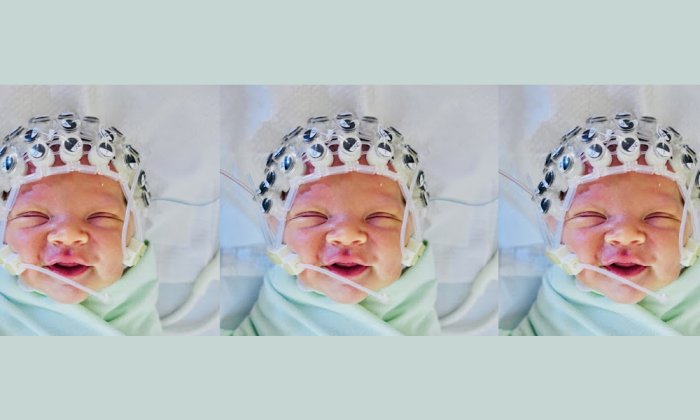
Recent interdisciplinary advances have transformed the study of the evolution of music. Rather than treating music as a cultural artifact, current research targets musicality — the biological capacity enabling humans to perceive, produce, and enjoy structured sound. Evidence from observations of infants, cross-cultural studies, and neuroscience shows that humans possess innate predispositions for rhythm, pitch, and temporal expectation that arise independently of training. Comparative studies have revealed that components of musicality have distinct evolutionary histories: primate research supports gradual development of rhythmic and audiomotor integration, while convergent traits in vocal-learning species highlight shared biological constraints. Neuropsychological and developmental findings have further shown that musicality is not reducible to language, drawing instead on perceptual, motor, and affective systems that likely predate speech. Collectively, these insights establish musicality as a fundamental cognitive capacity and provide a robust framework for investigating how its components evolved, how they function across species, and why music is central to human life.
But, if musicality did not arise from language, where did it come from?
[Published in Current Biology as Honing (2026)]
Honing, H. (2026) The biology of musicality. Current Biology, 36(5), R177-R180;
Preprint DOI: 10.31234/osf.io/j8x4w_v6;
Drawing courtesy of Marianne de Heer Kloots (mdhk.net).